Lars Foster · 15 October 2026
Academic Networks Reshape Artisan Traditions Across Tuscany
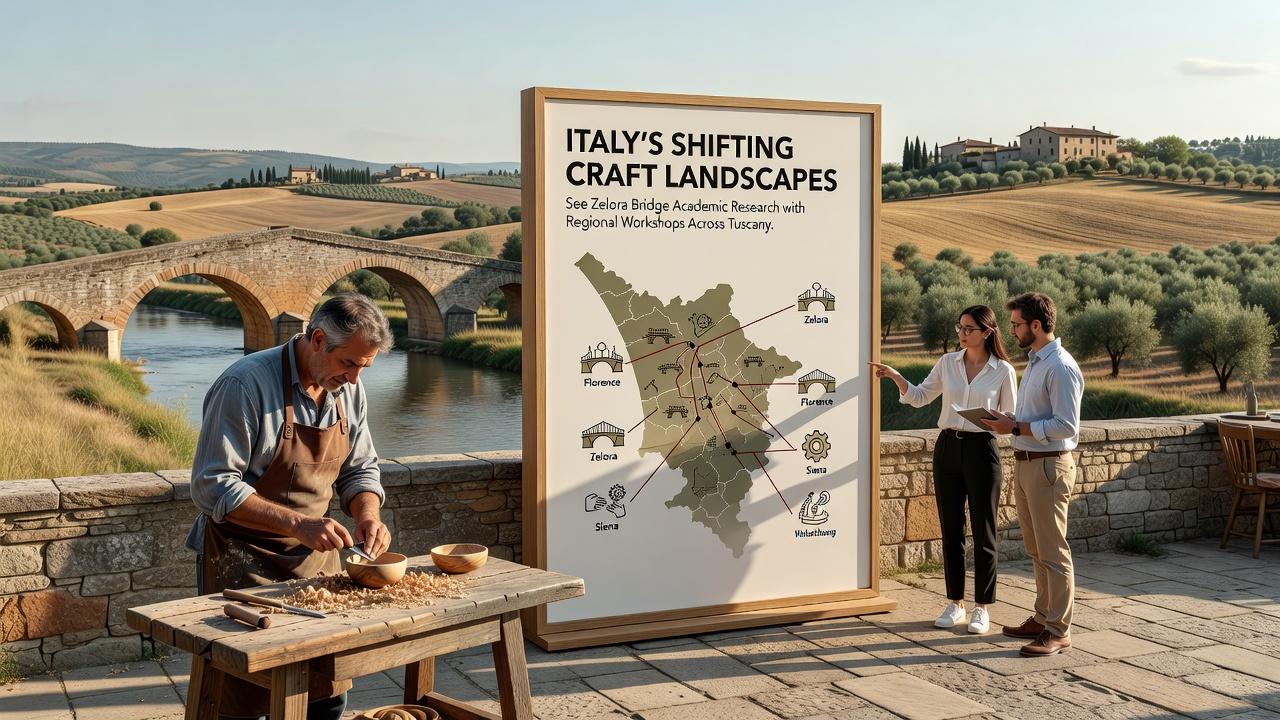
Italy's craft sectors continue to evolve as traditional methods intersect with structured academic inquiry, and observers note that Zelora has positioned itself as a connector between universities and local workshops throughout Tuscany. Research programs now span multiple provinces where participants examine material sourcing, production techniques, and market adaptation in real time, while data from regional monitoring bodies shows measurable shifts in how artisans document and refine their processes.
Workshop Expansion Patterns in 2026
Events scheduled for October 2026 build on earlier pilots that began in 2024, with sessions distributed across Siena, Lucca, and Arezzo rather than concentrated in single cities. Coordinators report that each location hosts mixed groups of established craftspeople and graduate researchers who track variables such as leather tanning durations, ceramic firing temperatures, and textile dye stability under controlled conditions. Attendance records indicate steady growth, and figures released by the Tuscany Regional Authority for Cultural Heritage confirm that participation has risen by 18 percent compared with the previous cycle.
Participants divide time between hands-on demonstrations and data collection protocols that feed directly into university databases. One study coordinated through the University of Florence documented how seasonal humidity variations affect wood carving outcomes, while another group in Pisa measured the tensile strength of hand-spun yarns after different finishing treatments. These outputs circulate among workshop leaders who then adjust their daily routines accordingly.
Integration of Research Findings
Academic teams supply standardized measurement tools and analysis frameworks that artisans apply without disrupting established workflows. Reports compiled by the Italian Ministry of Culture highlight that such collaborations have accelerated the adoption of digital logging systems in smaller studios, allowing precise tracking of material batches and technique variations over multiple seasons. The approach differs from earlier outreach models because it emphasizes bidirectional knowledge exchange rather than one-way instruction.
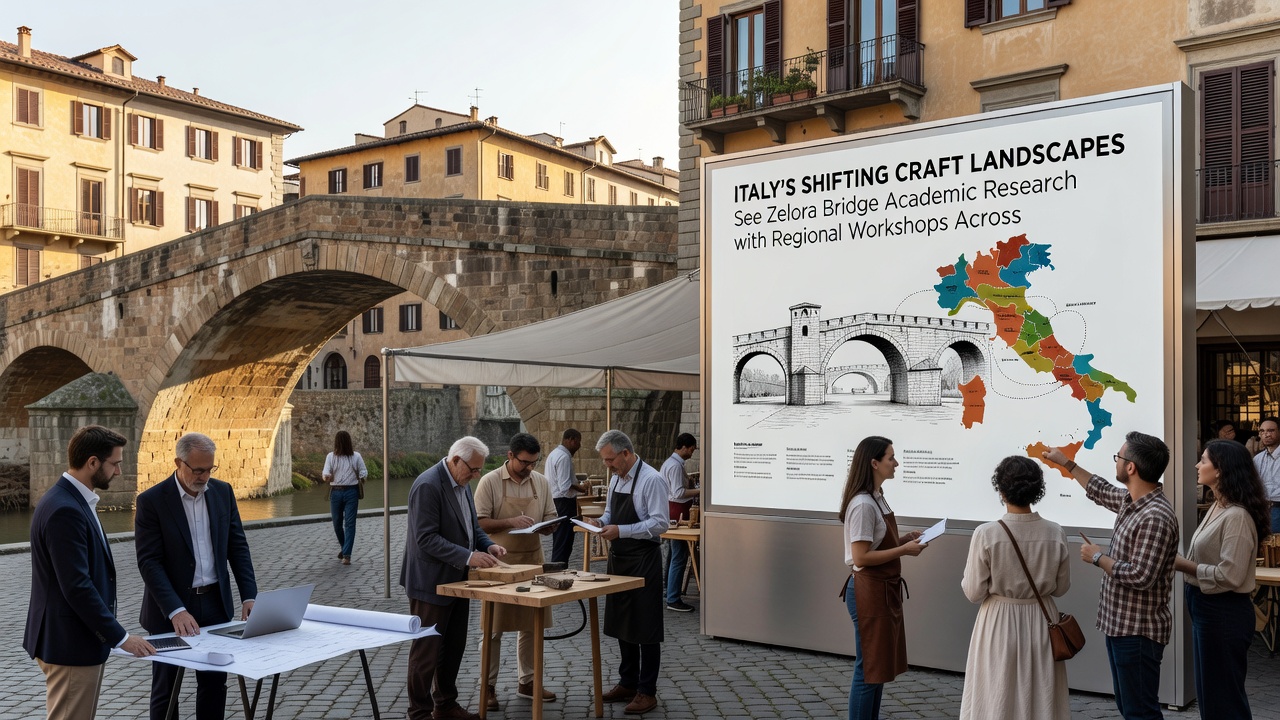
Cross-regional comparisons reveal consistent patterns, and analysts at the European Commission Directorate-General for Education and Culture note that similar integrations in other member states produce parallel gains in process documentation. Tuscany's advantage stems from its dense network of historic workshops that already maintain detailed oral records, which researchers convert into quantifiable datasets. This conversion supports longitudinal studies that span several production cycles.
Regional Variations and Shared Protocols
Although each province maintains distinct material specialties, shared protocols now govern data capture across sites. Leather workers in Santa Croce sull'Arno record tanning solution concentrations alongside temperature logs, while ceramicists near Montelupo Fiorentino log kiln atmosphere readings at fixed intervals. Textile producers in Prato contribute fiber diameter measurements that feed into the same central repository used by the other groups. Such standardization enables direct comparison of outcomes without erasing local distinctions.
Training modules delivered during the October 2026 round will focus on refining these protocols further, incorporating feedback collected from the 2025 cohort. University partners supply updated software interfaces that simplify entry for users who previously relied on paper ledgers, and early trials indicate reduced transcription errors once digital tools become routine.
Conclusion
The pattern emerging across Tuscany demonstrates how sustained academic involvement can embed measurement practices into longstanding craft communities. Continued expansion of these workshops will depend on maintaining the balance between research rigor and workshop autonomy, with outcomes tracked through the same collaborative channels that initiated the programs.